
Category: Tips and Tricks
Date: April 17, 2026
Read Time: 6 minutes
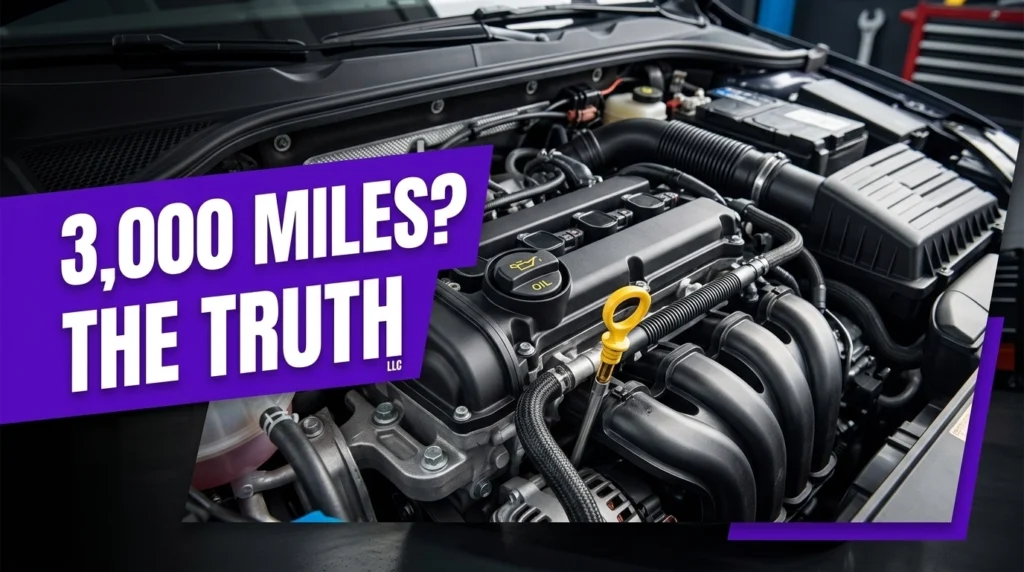
You’ve seen the little transparent sticker on the top left of your windshield. It’s been a staple of car ownership for decades: a date and a mileage number exactly 3,000 miles away from your last service. For years, we’ve been told that if we don't swap out that "black gold" every three months, our engines are ticking time bombs.
But is that actually true in 2026? Or is the 3,000-mile oil change just a clever marketing tactic designed to keep you visiting the shop twice as often as you need to?
At Auto Mancy LLC, we believe in transparency. We’re not just here to change your oil; we’re here to help you understand your vehicle. Let’s dive into the truth about oil change intervals and why drivers in Covington, Mandeville, and Hammond face a unique set of challenges.
The 3,000-Mile Myth: A Relic of the 70s
The 3,000-mile rule wasn't always a myth: it used to be a necessity. In the 1970s, engine tolerances were much looser, and the conventional oil available at the time deteriorated rapidly. If you didn't change it every few thousand miles, sludge would build up, leading to catastrophic engine failure.
Fast forward to today. The industry has been revolutionized. Modern synthetic oils are formulated with advanced additives that allow them to last significantly longer: often between 7,500 and 15,000 miles under normal driving conditions. In fact, many 2026 models from brands like Toyota, Honda, and GM explicitly recommend 10,000-mile intervals. Following the old 3,000-mile rule can cost the average owner over $300 in unnecessary maintenance every year.
Why Modern Engines Are Different
Today’s engines are marvels of engineering. Tighter specifications and improved fuel injection systems mean that less fuel and debris contaminate your oil. Additionally, most modern vehicles are equipped with Oil-Life Monitors. These aren't just simple timers; they are complex algorithms that track your engine temperature, trip durations, and driving habits to tell you exactly when the oil is losing its effectiveness.
However, while your car might be smarter than ever, there is one factor it can't control: The Louisiana Factor.

The "Louisiana Factor": Why Northshore Drivers Face a Different Reality
If you live in Hammond or Mandeville, you know the drill. Our weather isn't just "hot": it's a swampy, humid, high-temperature environment that can be brutal on mechanical components.
While a car in a mild climate might easily cruise to 10,000 miles, Louisiana drivers often fall into the "Severe Driving" category. High humidity can lead to moisture buildup in the oil if you only take short trips, and the extreme summer heat forces your engine (and your oil) to work much harder to stay cool.
If you’re frequently idling in traffic on the I-12 or taking short 5-minute trips to the grocery store in Covington, your oil is breaking down faster than someone cruising the open highway in the Midwest. This is why we often recommend a middle-ground approach for our local customers.
Normal vs. Severe Driving Conditions
Understanding which category you fall into is the key to engine longevity.
- Normal Driving: Frequent highway trips of 20+ miles at steady speeds in moderate temperatures. While many brands suggest 7,500–10,000 miles, our expert recommendation at Auto Mancy LLC is a more protective 5,000-mile interval for average use here on the Northshore.
- Severe Driving: This includes most Northshore drivers. It involves frequent short trips (under 10 miles), stop-and-go traffic, towing, or driving in temperatures above 90°F. For that kind of heavy use, especially with the heat and humidity we deal with locally, we recommend changing your oil every 3,000 miles.
That local, real-world experience matters. In the Northshore heat, stop-and-go traffic and humidity break oil down faster than the factory "ideal conditions" many brands use for their recommendations. Sticking to 5,000 miles for average use and 3,000 miles for heavy use is one of the simplest ways to help your engine run longer and stay better protected. For more on how to keep your car running smoothly in our local climate, check out our guide on Seasonal Car Care Tips for Louisiana Drivers.

Signs Your Northshore Vehicle Needs Immediate Attention
Don't just wait for the light on your dashboard to turn on. Your car will often tell you when it’s struggling. Keep an eye (and an ear) out for these warning signs:
- Dark or Gritty Oil: Fresh oil is amber and translucent. If it’s black, thick, or gritty, it’s past its prime.
- Engine Noise: If you hear knocking or ticking, your oil may have lost its viscosity and isn't lubricating the moving parts properly.
- Burning Smell: This could indicate an oil leak or that your engine is overheating.
- Low Oil Level: Modern cars shouldn't "burn" much oil. If you're constantly topping it off, there’s an underlying issue.
If you notice any of these, don't wait. Neglecting a simple oil change can lead to a major engine repair that costs thousands.
Experience the Ultimate Convenience with a Mobile Oil Change Service Near Me
We get it: you’re busy. Between work in New Orleans, school runs in Mandeville, and weekend projects, finding two hours to sit in a greasy waiting room for an oil change is the last thing you want to do.
That’s where Auto Mancy LLC comes in. We are a mobile mechanic service that brings the shop to you. Whether you’re at home in Covington or at the office in Hammond, we perform professional-grade oil changes right on-site. No towing, no waiting rooms, and no disrupted schedules.
We provide transparent, upfront pricing so you always know what to expect. Check out our current rates for common services:
Ready to Give Your Engine the Care it Deserves?
Don’t let the Louisiana heat take a toll on your vehicle. Whether you need a routine oil change, a full vehicle inspection, or brake repair, we’ve got you covered.
Auto Mancy LLC proudly serves the following areas:
- Covington, LA
- Mandeville, LA
- Hammond, LA
- And the surrounding Northshore area!
Stop waiting and start saving time. Book your mobile mechanic service now and let us bring the expertise to your driveway.
A neighborly tip: While browsing our site, we noticed a couple of small typos in our technical guides: like in our Top 10 Signs post: we’re currently working on polishing those up to ensure you get the best information possible!
Pingback: Do You Really Need a Pre-Purchase Inspection? Here’s Why Northshore Buyers Get Burned - https://www.auto-mancy.com